



NEWYou can now listen to Fox News articles!
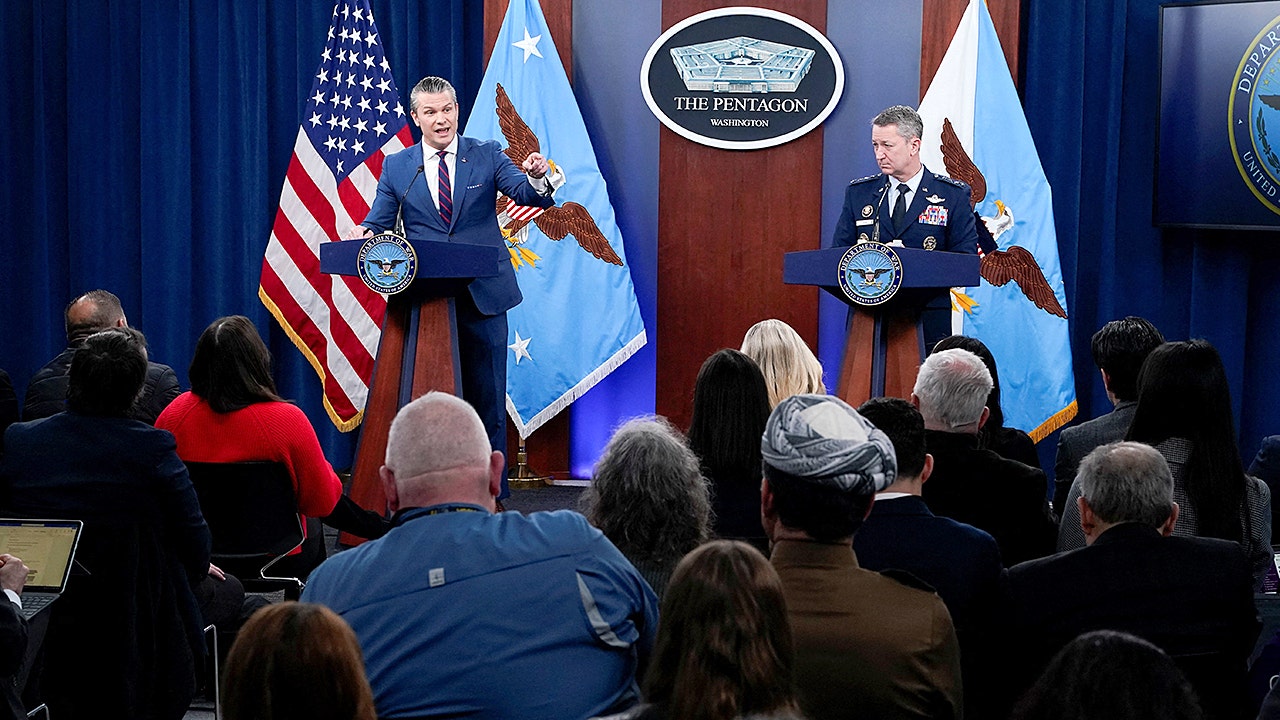
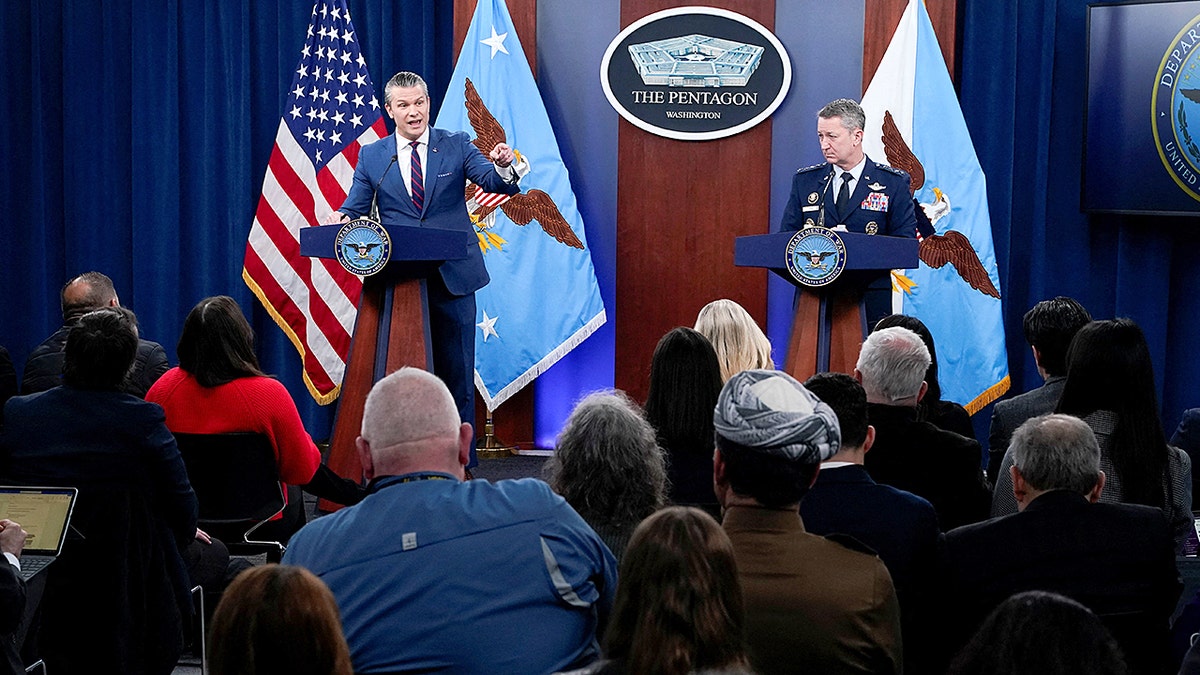
U.S. District Judge Paul Friedman seemed skeptical Friday of Justice Department arguments defending Pentagon restrictions on reporters covering the War Department.
The New York Times and the Pentagon Press Association are asking Friedman to issue an order reinstating the credentials of some 300 journalists who refused to sign a new agreement barring them from reporting information not approved by Pentagon officials in order to retain their Pentagon hard passes.
Justice Department lawyer Michael Bruns argued that the policy was instituted to protect national security information and that some questions asked by journalists are not protected by the First Amendment.
“Why not?” Friedman asked pointedly, raising his voice. “Why not?”
“Since time immemorial, journalists at the White House, State Department and all over Washington have said, ‘I have a question for you,’” said Friedman. “You only have to say, I can’t answer that. … Asking a question is not criminal.”
Friedman went on: “Remember the Pentagon Papers, 9/11, Abu Ghraib? Reporters have to be able to ask a question.”
“It’s more important than ever that the public have information about what the government and their elected leaders are doing,” Friedman continued, “So they can protest, or support, so they can decide based upon full and complete information about who they’re going to vote for.”
“That’s what the First Amendment is all about,” the judge said.
KELLY FIRES BACK AT HEGSETH OVER CENSURE, SAYS HE’S NEVER BACKING DOWN
Friedman agreed that there is some information that needs to be “held secure,” but added, “The public has a right to know a lot of things” about what their leaders are doing.
David Schulz, the director of Yale Law School’s Media Freedom & Information Access Clinic, is serving as legal counsel for the Pentagon Press Association and argued that the Pentagon’s new policy forbids journalists from asking anything about information not approved by senior Pentagon officials.
“That may be how authoritarian regimes stay in power, but that is not how democracy works,” Schulz argued.
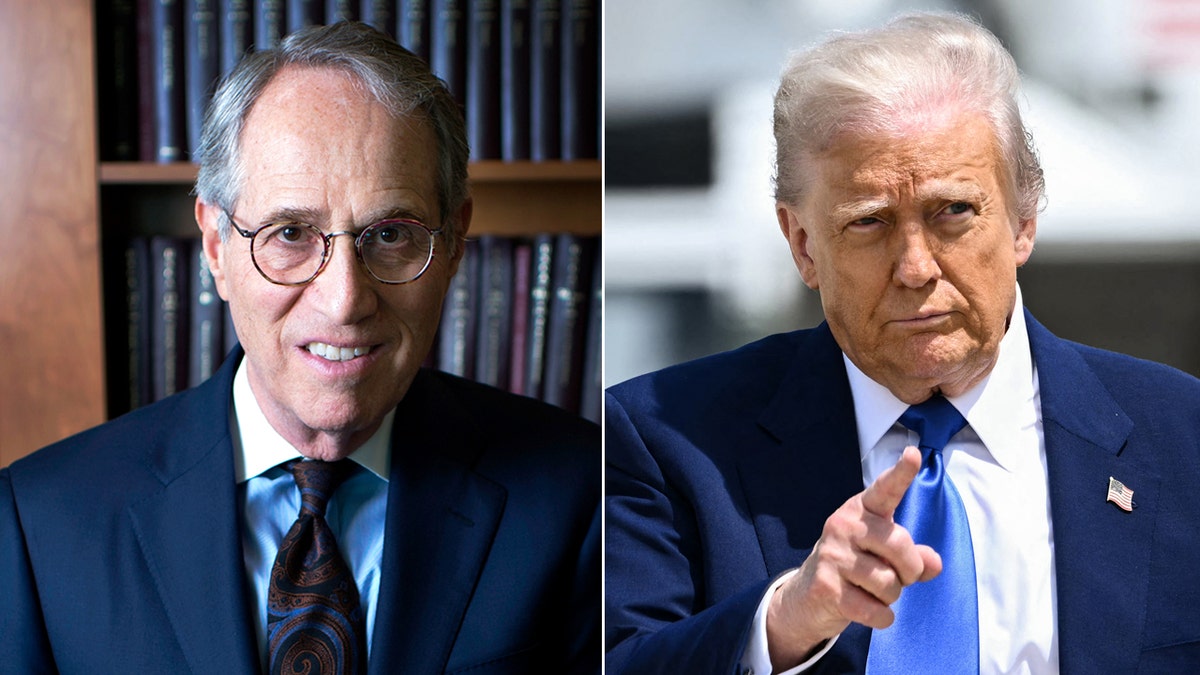
Ted Butros, the attorney arguing for The New York Times, told the court that some 300 journalists across the ideological spectrum had acted with “great solidarity” by refusing to sign on to the new policy. “Whether it’s Fox News or the New York Times, they’re now persona non grata” at the Pentagon.
“It’s terrible for the American public,” said Butros. “It’s a tragedy, especially when we’re at war.”
CLICK HERE TO DOWNLOAD THE FOX NEWS APP
Friedman also homed in on a controversy about a tip line run by The Washington Post that ran afoul of Pentagon leadership. Friedman wanted to know why The Washington Post’s tip line was a problem, but a tip line run by conservative political activist Laura Loomer was not.
Bruns argued that Loomer’s tip line was a general inquiry to the public, while the Post’s was specifically targeted at military officials, who may not be cleared to talk to the media.
Friedman said he would not issue a decision Friday but would try to move quickly.
Related Article

Read the full article here
